
Hyper-Personalization: From Segments to Individuals
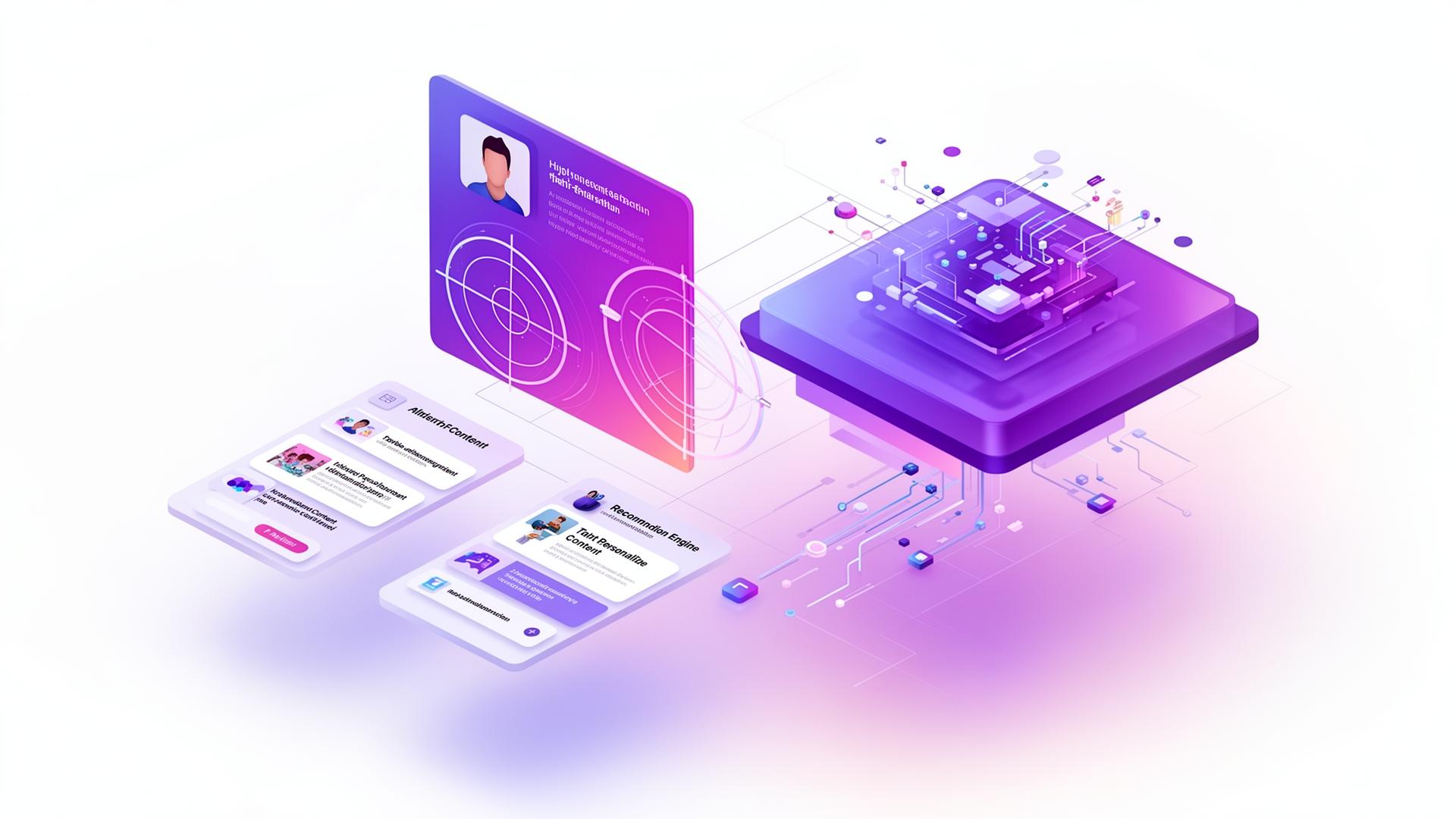
Generic segments are outdated. How AI-powered hyper- is transforming marketing and why one-to-one communication becomes standard in 2026.
The End of Audience Segments
"Women, 25-34, urban middle class, digitally savvy" – that's what target audiences looked like for decades. Rough segments based on demographic characteristics.
In 2026, that's no longer enough.
Hyper- uses AI, real-time data, and to address each individual person with individually relevant – at the right time, through the right channel, with the right message.
What Hyper-Personalization Means
Personalization vs. Hyper-Personalization
| Aspect | Personalization | Hyper-Personalization |
|---|---|---|
| Basis | Segments | Individuals |
| Data | Demographic, historical | Real-time, behavioral |
| Variants per segment | Unique per person | |
| Timing | Planned | Dynamic, trigger-based |
| Technology | Rules | AI & Machine Learning |
Real-World Examples
- Spotify Wrapped: Individual year-in-review based on personal listening behavior
- Netflix: Even thumbnails are personalized – not just recommendations
- Amazon: "Customers who bought X also bought Y" – optimized in real-time
- Starbucks: 400,000 different offer versions per week through the app
The Technology Behind Hyper-Personalization
1. Customer Data Platform (CDP)
A CDP unifies data from all touchpoints into a single customer profile:
- Website behavior
- App usage
- Email interactions
- Purchase history
- Service contacts
2. AI & Machine Learning
AI analyzes patterns in data and makes predictions:
- Propensity Models: How likely is a purchase?
- Next Best Action: What should the next interaction be?
- Matching: Which fits this person?
- Churn Prediction: Who is at risk of leaving?
3. Dynamic Content Engines
Systems that assemble in real-time:
- Personalized email content
- Dynamic website elements
- Individualized ad creatives
- Personalized push notifications
4. Real-Time Decisioning
Decisions in milliseconds:
- Which offer do I show NOW?
- Which channel do I use?
- Which message fits the current context?
Application Areas
Email Marketing
- Individual subject lines based on behavior
- Personalized product recommendations
- Optimal send time per recipient
- Dynamic blocks
Website & App
- Personalized homepages
- Individual navigation
- Dynamic product recommendations
- Context-dependent CTAs
Advertising
- Dynamic Creative Optimization (DCO)
- Personalized messages
- Lookalike audiences based on best customers
- Sequential across channels
Customer Service
- Proactive outreach for problems
- Personalized self-service content
- Individual solution suggestions
- Context-aware support
The Balance: Personalization vs. Privacy
Hyper- only works with trust. And trust requires transparency.
Best Practices:
- Consent first: Only use data that was voluntarily shared
- Value exchange: as , not surveillance
- Give control: Users must be able to adjust personalization
- Be transparent: Explain why something is shown
- Respect boundaries: Not everything possible should be done
ROI of Hyper-Personalization
The numbers speak for themselves:
- 80% of consumers are more likely to buy with personalized experiences
- 20% higher rates with personalized CTAs
- 29% higher email open rates with personalized subject lines
- 6-10x higher ROI for personalized campaigns vs. generic ones
Conclusion
Hyper- is no longer science fiction – it's the new baseline. Brands that manage to deliver individual relevance without violating trust will be the winners of 2026.
The future of marketing isn't louder. It's more relevant.
Loading related terms…
All TermsReady for your next project?
Let's discuss your marketing challenges and develop solutions together.
Get in touchKeep reading
Related posts
 AI TrendsNovember 19, 20258 min
The New Era for Brands
How Meta's Superintelligence is changing brand management and why companies need to adopt AI strategies now.
Read article AI TrendsOctober 29, 20257 min
AI as a Conversation Partner
When people ask AI for advice, it's not about technology – it's about trust. What brands should learn from this.
Read article AI TrendsSeptember 25, 202510 min
Why AI Without Context Fizzles Out
Prompting alone isn't enough. Learn how brands can use context engineering to make AI scalable, on-brand, and finally effective.
Read article
Bekomme solche Insights jede Woche.
Strategische Marketing-Insights für CMOs — kein Fluff, kein Spam.