
Creator Economy & Deinfluencing: How Influencer Marketing Is Reinventing Itself in 2026
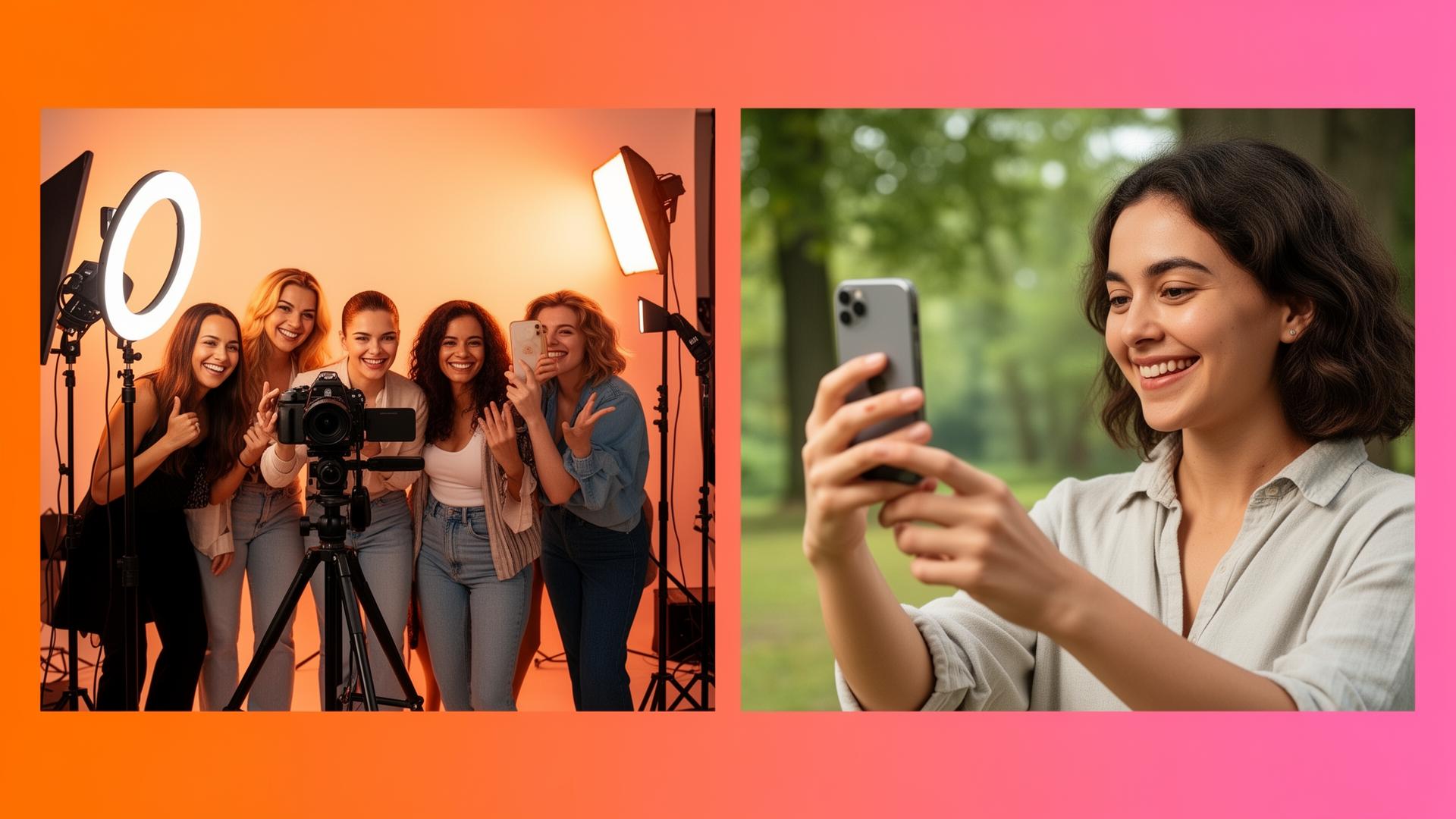
From mega-influencers to nano-creators, from overconsumption to authenticity, is undergoing its biggest transformation.
Creator Economy & Deinfluencing: The New Influencer Marketing Standard
The has evolved from a trend into an economic sector with over $100 billion in market volume. Simultaneously, is emerging as a counter-movement that fundamentally changes marketing. Together, both phenomena define the future of .
The Creator Economy 2026: Numbers and Facts
Market Overview
- 200+ million creators worldwide
- $100+ billion market volume
- 67% of marketers plan higher budgets
- Micro-creators (10K–50K followers) achieve the highest rates
The Shift to Micro and Nano
The era of mega-influencers as a cure-all is over. Brands increasingly rely on smaller creators:
| Creator Type | Followers | Engagement Rate | Cost/Post | Authenticity |
|---|---|---|---|---|
| Mega | 1M+ | 1–3% | €10,000+ | Low |
| Macro | 100K–1M | 3–5% | €2,000–10,000 | Medium |
| Micro | 10K–100K | 5–8% | €500–2,000 | High |
| Nano | 1K–10K | 8–15% | €50–500 | Very High |
New Monetization Models
Creators are building increasingly diversified business models:
- UGC Production: Creators produce for brands without posting on their own profiles
- Creator Commerce: Own product lines via TikTok Shop, Instagram Shopping
- Membership & Subscriptions: Exclusive content for paying community members
- Whitelisting/Licensing: Brands use creator profiles for paid ads
- Education: Courses, coaching, and consulting based on expertise
Deinfluencing: The Authenticity Revolution
What Is Deinfluencing?
is a social media phenomenon where creators actively advise against certain products or purchases. Instead of "Buy this!" it's "Don't buy this, and here's why."
Why Deinfluencing Works
The psychology behind the trend:
- Trust crisis: Consumers are tired of excessive advertising
- Desire for authenticity: Honest opinions are rewarded
- Anti-consumption movement: Sustainability and minimalism as values
- Algorithmic reward: Controversial generates more
Paradoxical Effect
The paradox of deinfluencing: Creators who advise against products are perceived as particularly trustworthy, and their recommendations (when they make them) carry more weight.
A creator who honestly criticizes 9 out of 10 products achieves a conversion rate on their one recommendation that traditional influencers can never match.
Strategies for Brands
1. UGC-First Approach
Instead of polished posts, focus on authentic -generated :
- Engage nano creators for ad creative production
- Use UGC marketplaces for scalable content
- A/B test: UGC vs. brand content in paid campaigns
2. Leverage Deinfluencing as an Opportunity
Brands with genuine quality claims benefit from deinfluencing:
- Invite creators for honest comparison tests
- Show transparency about production processes and ingredients
- Use "we welcome comparisons" as positioning
3. Long-Term Partnerships over One-Shots
Long-term creator partnerships instead of individual campaigns:
- Build brand ambassadors with genuine brand affinity
- Involve creators in product development
- Exclusive content and events for partner creators
4. Creators as Sales Channels
Social commerce and creators are merging:
- TikTok Shop: Creators sell directly in videos
- Instagram Shopping: Tagged products in creator content
- Affiliate models: Performance-based compensation
5. Community over Reach
Focus on communities rather than pure reach:
- Identify micro-communities in niches
- Deploy creators as community builders
- Engagement rate instead of follower count as KPI
Measurement and ROI
Modern Creator Marketing KPIs
- : Comments, saves, shares (not just likes)
- Value: Organic reach through creator
- Content Production ROI: Cost per usable content piece
- Attribution: Track links and promo codes for conversion measurement
- Sentiment Analysis: How is the brand discussed in comments?
Conclusion: Authenticity Beats Reach
The and show a clear direction: authenticity, transparency, and genuine recommendations beat staged . Brands that understand and adapt to this shift win the trust of the next generation.
Davies Meyer develops creator marketing strategies that combine authenticity with performance, from creator selection through UGC production to campaign optimization.
Loading related terms…
All TermsReady for your next project?
Let's discuss your marketing challenges and develop solutions together.
Get in touchKeep reading
Related posts
 Social MediaOctober 17, 202613 min
TikTok Search Ads: Turning search intent into demand
Keyword-based advertising in TikTok search: how it differs from TTAN and how to plan a test you can evaluate.
Read article Social MediaOctober 8, 20267 min
TikTok Ad Network (TTAN): What brands need to know now
Pangle becomes TikTok Ad Network: TikTok campaigns now run in third-party apps too. What this means for reach, brand safety and budget planning.
Read article Social MediaSeptember 17, 20268 min
Meta One for businesses: From a Reel to the next step
New links, more AI and additional tools: how brands can use Meta One to connect content, websites and customer conversations, and what to check before starting.
Read article
Bekomme solche Insights jede Woche.
Strategische Marketing-Insights für CMOs — kein Fluff, kein Spam.