Headless CMS vs composable DXP in B2B: when Storyblok, Magnolia or Shopify Plus pay off
November 22, 2026
11 min read
Davies Meyer Redaktion
Monolith, headless CMS or ? Criteria, costs, integration effort and an honest decision guide for and IT.
The real question behind the technology choice
When B2B companies discuss Storyblok, Magnolia or Shopify Plus, it is rarely just about software. It is about how quickly marketing can new pages, markets and campaigns without blocking IT, and how product data, prices and enquiries flow reliably between website, ERP, PIM and CRM.
So the key question for a CMO or head of digital is not "Which system is modern?" but "Which bottlenecks cost us revenue, time or brand quality today?"
Three architectures compared
Criterion
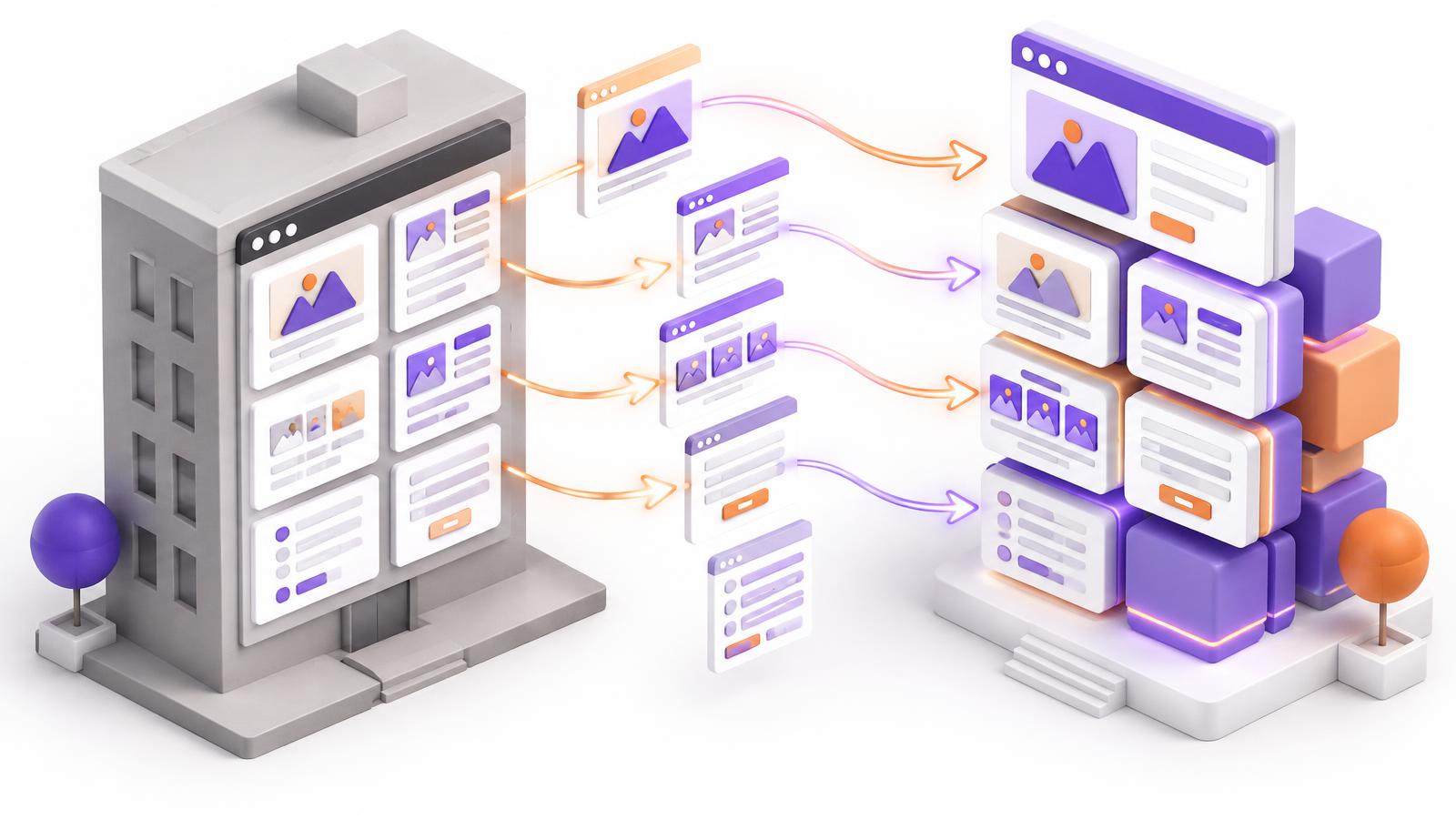
Monolithic suite
Headless CMS
Composable DXP
Structure
One product for , presentation and often commerce
via API, free choice of
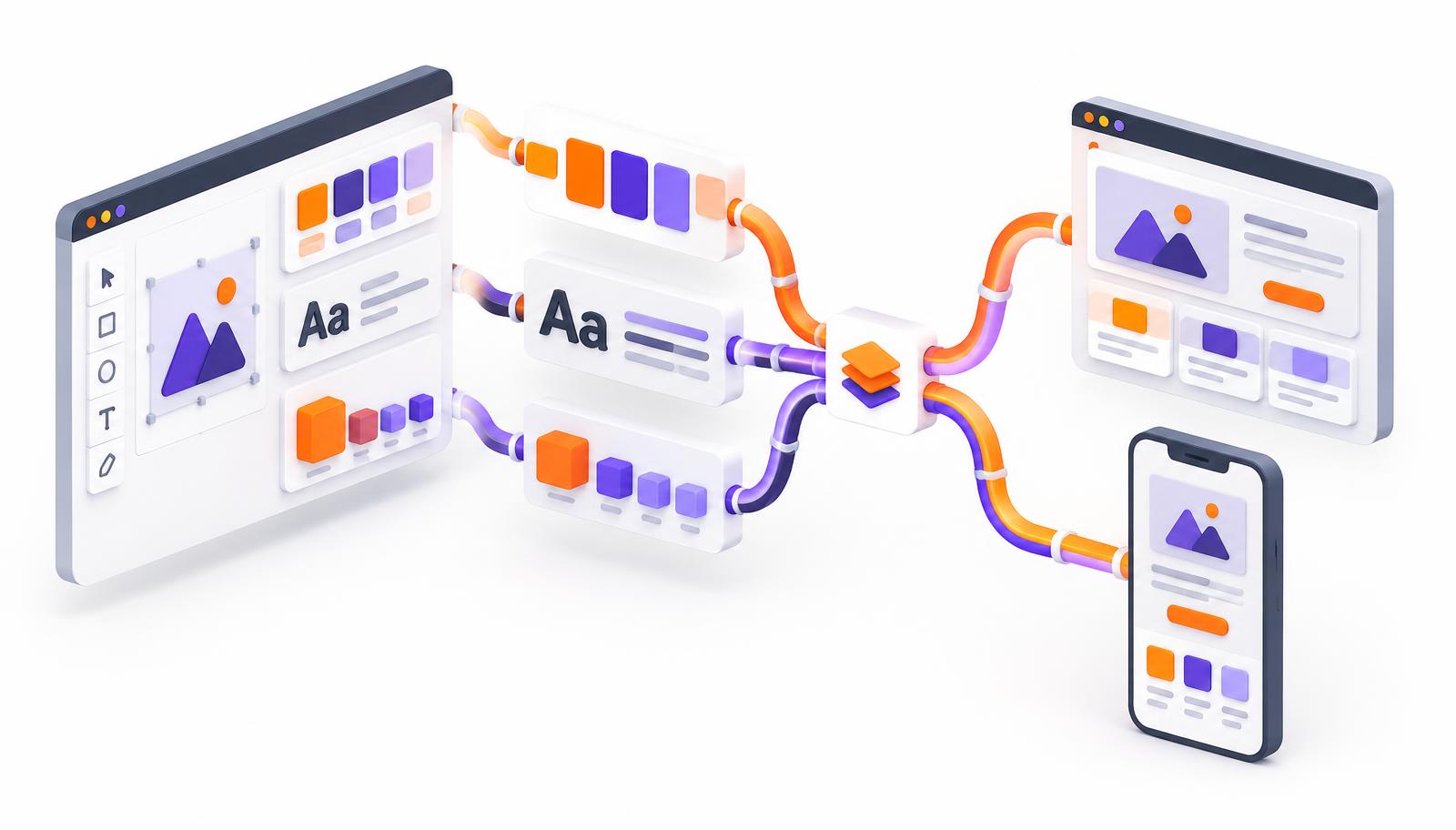
Several specialised systems via APIs
Strengths
One vendor, fast start
Flexible frontend, multiple channels
Replaceable blocks, deep integration
Limits
Tied to releases and licensing
Frontend must be built and run
Highest integration and operating effort
Fits
Manageable websites
Brands with several channels
Complex B2B landscapes with ERP, PIM, CRM
What the named systems typically stand for
Storyblok: headless CMS with a visual editor. Strong when editors should build pages from approved components on their own.
Magnolia: enterprise CMS with headless and traditional features, often used in landscapes with many markets and integrations.
Shopify Plus: commerce platform for higher volumes. Relevant in B2B when ordering, price lists and customer accounts can be standardised.
Your system landscape decides the right combination, not a ranking.
What composable really costs
Licences are only one part. Add integration, hosting, , security updates, contracts with several vendors and internal ownership. Teams that leave these out face an expensive surprise after . Reliable payback statements require a total cost calculation for your specific setup.
When does it make sense – and when not?
Composable is more likely to pay off if …
Less likely if …
you serve several markets, languages and channels
you maintain a single corporate website
product data from PIM and ERP is needed live on the website
is mostly static
an internal or external team owns operations long term
nobody can maintain integrations over time
individual systems will foreseeably be replaced
the existing suite meets requirements
How to proceed
1. Inventory: document systems, data flows, editorial processes and bottlenecks.
2. Target picture: which system does what, and who owns it?
3. Step by step: start with the block that brings the greatest business value.
4. Plan operations: set , updates and ownership before .
What now?
If you want to check whether your platform can carry the next growth step, start with a structured brief in the briefing generator or look at suitable starting points under projects & budgets. More on our technical work: digital agency.
What current surveys show
According to the Lünendonk study 2026 on the German digital experience services market (survey of 140 companies and 23 service providers in DACH), 79% of respondents plan higher digital experience spending; 61% name integrating digital experience platforms with systems as an investment focus. Only one third use GenAI to steer the .
These figures are respondents’ statements in each survey, not universal laws of cause and effect.
Frequently asked questions
Is a automatically cheaper than a suite? No. Licence costs may fall, but integration and operations add effort. Only a total cost calculation for your landscape shows what pays off.
Do we need our own development team for headless? A must be built and maintained, internally or by a partner. Without that ownership, security and quality gaps quickly appear.
Can we migrate step by step? Yes, that is usually the better route. Start with the block that brings the greatest business value and replace others according to plan.
Which system is best? There is no best system for everyone. Your processes, existing systems, markets and the team running the platform decide.