
Website relaunch without losing search visibility: a roadmap for marketing leaders
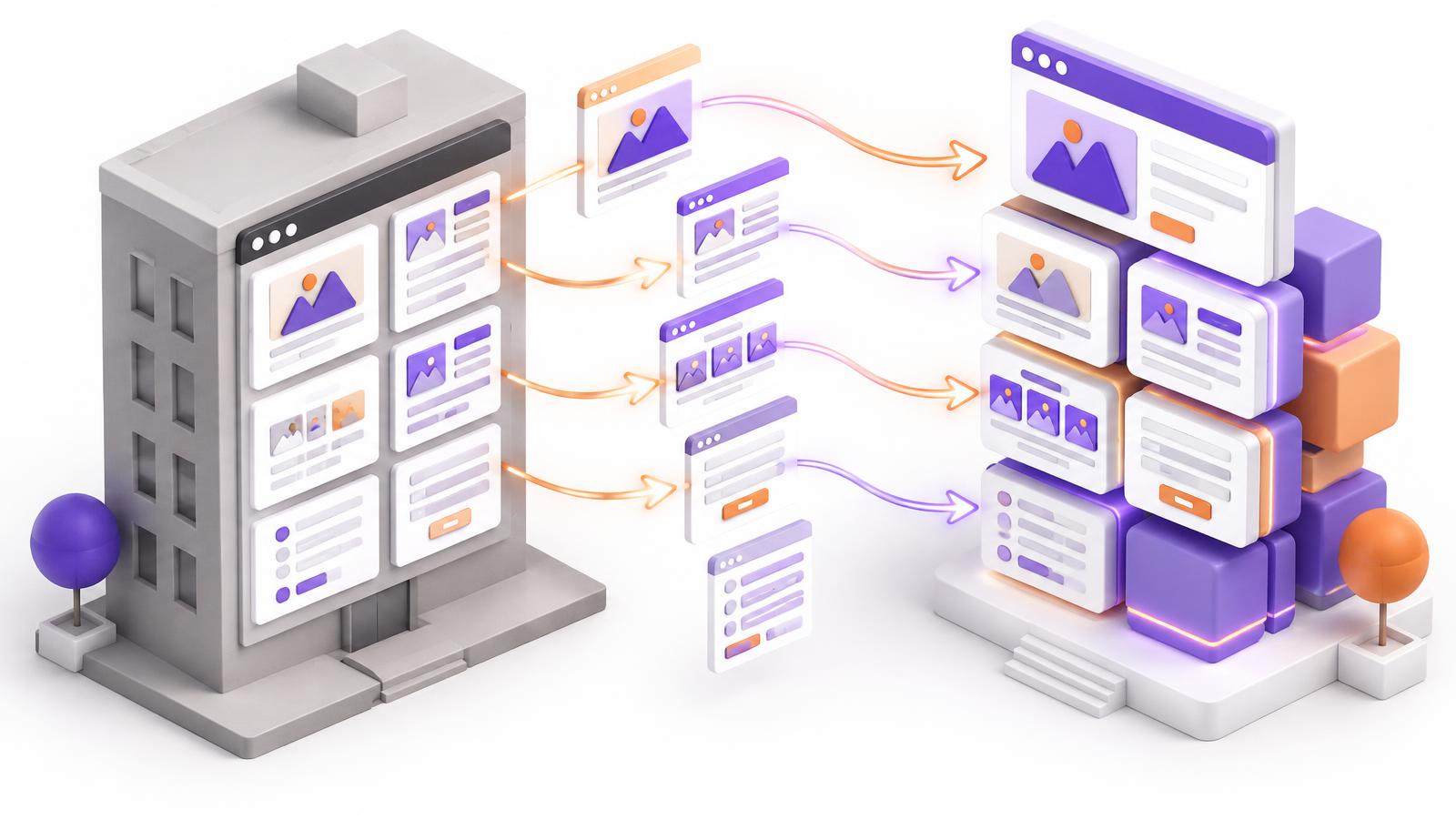
How to plan a relaunch or platform migration without risking visibility, enquiries and revenue: inventory, , testing and .
A relaunch is a business risk, not a design project
A new CMS, a headless front end or a new commerce platform promises faster campaigns and better experiences. At the same time, a relaunch almost always changes URLs, page structures and . That is where losses occur: pages that used to generate enquiries become unreachable, search engines have to understand the site again and internal links break. As a marketing leader, the question is not whether the new site looks better but whether it safely carries existing demand across.
Google's official documentation on site moves with URL changes recommends permanent server-side redirects (301) from old URLs to the matching new ones and advises keeping them for as long as possible, generally at least one year. Google also notes that rankings may fluctuate temporarily during a move. A relaunch with no movement at all is not a realistic goal; a controlled relaunch with fast recovery is.
Step 1: Inventory before concept
Before wireframes exist, you need a complete list of relevant URLs: pages with organic visits, pages that generate enquiries or orders, pages with external links and pages used in campaigns, emails or print. This list underpins every later decision. that drives business is migrated or deliberately merged, not dropped by accident.
Step 2: Redirect mapping as a binding document
Redirect mapping assigns every old URL exactly one new URL with matching . Blanket redirects to the homepage are convenient but lose relevance for users and search engines. Chains of several redirects slow pages down and complicate analysis. We recommend signing off the mapping before and testing it automatically against the new environment.
Step 3: Test technology and content together
On a protected staging environment, check that titles, descriptions, headings, structured data, canonical tags and language references have been carried over correctly. Speed and accessibility matter just as much: a new site that is slower or harder to use than the old one costs enquiries even when every redirect works. The staging environment itself must not be indexed.
Step 4: Launch with a monitoring plan
On day, an updated sitemap, working redirects and checks in Google Search Console are essential. For a domain change, Google also provides a Change of Address tool. In the weeks that follow, monitor error pages, indexed pages, organic visits to your key pages and, crucially, enquiries and orders. Agree in advance who acts when something looks wrong.
What this means for platform choice
Headless CMS, composable architecture or a classic suite: the platform alone does not decide success. What matters is whether editorial, development and marketing plan the move together and whether the new structure makes and components reusable. Consistent design tokens and clear models help.
If you are planning a relaunch, we support you with web development and platform migration from inventory to post-launch . Talk to us about your project.
Frequently asked questions
- Can a relaunch temporarily change rankings? Yes. Google warns of temporary fluctuations during URL moves. A complete URL inventory, relevant permanent redirects and reduce avoidable losses but do not guarantee unchanged rankings.
- How long should redirects remain in place? Google recommends retaining permanent redirects for as long as possible, generally at least one year. links and external references that remain in use can justify keeping them longer.
- Can every old page redirect to the homepage? That is not a sensible default mapping. Match old pages to relevant successors. If no replacement exists, a correct error response is better than an irrelevant redirect that Google may treat as a soft 404.
- How do you recognise a successful relaunch? Key pages remain accessible, redirects work and qualified enquiries or orders develop sustainably. Also check indexing, search clicks and errors in Search Console rather than looking only at total traffic.
Sources
Loading related terms…
All TermsReady for your next project?
Let's discuss your marketing challenges and develop solutions together.
Get in touchKeep reading
Related posts
 Digital TrendsNovember 13, 20268 min
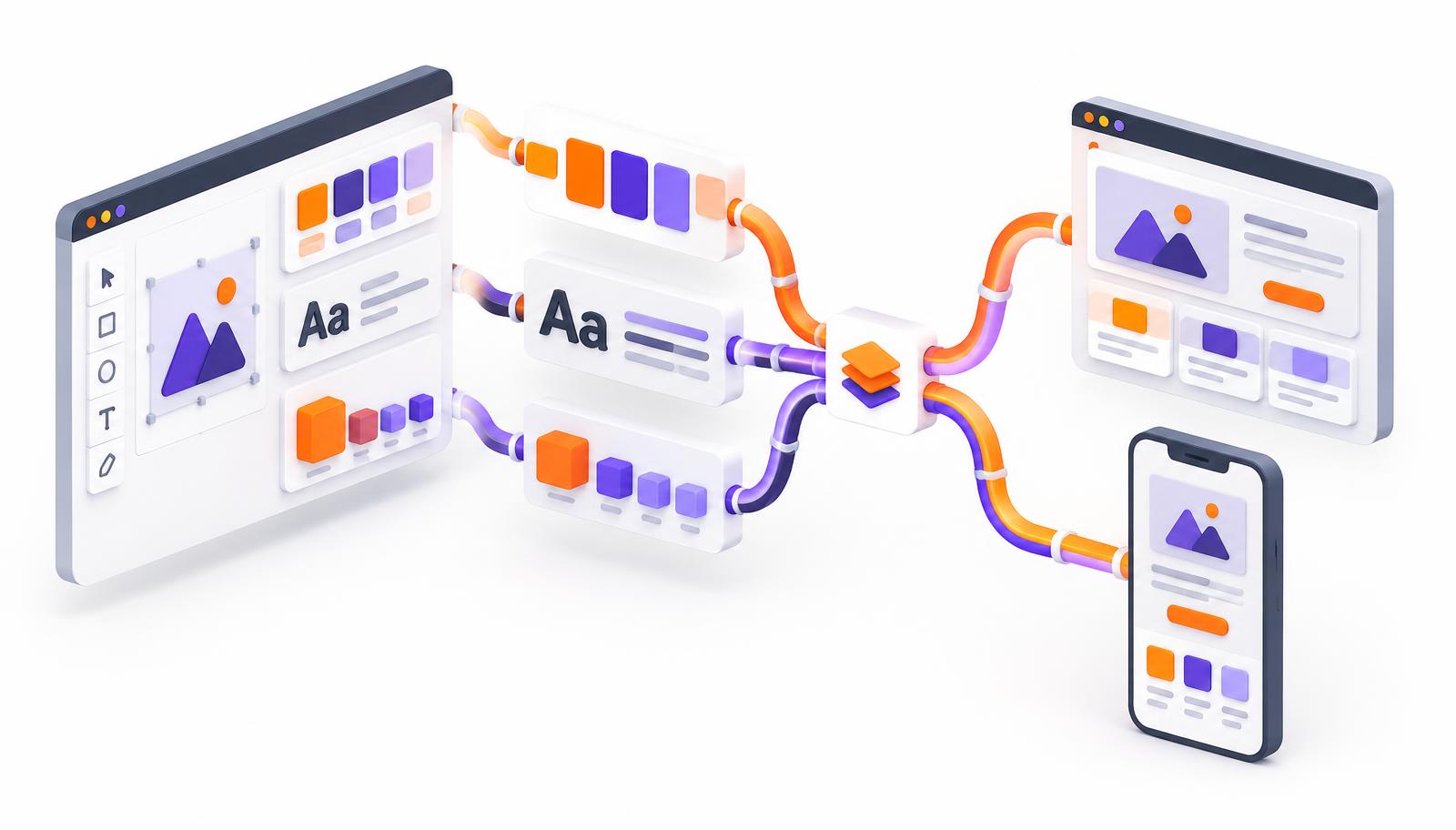
From Figma token to CMS: how design systems prevent brand inconsistency
What design tokens are, what the stable 2025.10 format changes and how brands carry colours, typography and spacing consistently from design into website, app and campaign.
Read article Digital TrendsNovember 13, 20269 min
Withdrawal button and accessibility law: new e-commerce duties without hurting conversion
Germany's withdrawal button (§ 356a BGB) applies from 19 June 2026 and the BFSG accessibility law from 28 June 2025. What this means for shop UX, processes and trust. Not legal advice.
Read article Digital TrendsSeptember 13, 20266 min
Payload & MCP: From product knowledge to reviewed content
The product knowledge exists, but publishing the next page still takes many manual steps. A practical example shows how a CMS, AI and editors can work together.
Read article
Bekomme solche Insights jede Woche.
Strategische Marketing-Insights für CMOs — kein Fluff, kein Spam.