
Withdrawal button and accessibility law: new e-commerce duties without hurting conversion

Germany's withdrawal button (§ 356a BGB) applies from 19 June 2026 and the BFSG accessibility law from 28 June 2025. What this means for shop UX, processes and trust. Not legal advice.
Two duties, one goal: easy use
Two legal requirements are changing how online shops and digital contract flows must be designed in Germany. Both aim at the same thing: consumers should be able to use digital offers easily and without barriers. For marketing and leaders, this is first a compliance task. Done well, it also strengthens trust and usability. This article is an overview, not legal advice; check your specific situation with your legal team.
The withdrawal button under § 356a BGB
With the Act amending consumer contract and insurance contract law (Federal Law Gazette 2026 I No. 28, 5 February 2026), Germany transposes EU Directive 2023/2673. The new withdrawal button applies from 19 June 2026 to distance contracts concluded via an online interface.
According to the statutory wording, the withdrawal function must be clearly labelled “Vertrag widerrufen” (withdraw from contract) or an equivalent unambiguous wording, be permanently available during the withdrawal period, prominently placed and easily accessible. Consumers provide or confirm their name, contract details and the channel for the confirmation. A confirmation function such as “Widerruf bestätigen” (confirm withdrawal) follows. The trader must promptly send an acknowledgement of receipt with , date and time on a durable medium.
In practice, the button needs a fixed place in the customer account, order confirmations or footer, a lean two-step flow, reliable mapping to the contract and an automated acknowledgement. It must also work for guest orders.
The Accessibility Strengthening Act (BFSG)
The BFSG has applied since 28 June 2025. Among other things, it covers services for consumers, typically online shops and digital booking flows. Microenterprises providing services are exempt from these requirements under the Act. It concerns not just product pages but the entire flow up to completion, including the new withdrawal function.
The distinction between genuine accessibility and so-called overlay tools, which add assistive controls via script afterwards, is important. An overlay does not change the underlying code. Accessible structure, keyboard operation, sufficient contrast and understandable forms must be built into the website itself.
Why both are marketing topics too
- Trust: a clearly visible, simple withdrawal signals fairness rather than obstacles.
- : accessible forms and clear structures help all users, not only people with disabilities.
- Discoverability: clean headings, alt text and semantic code make easier for search engines and AI systems to interpret.
A practical sequence
1. Clarify applicability and contract flows with your legal team.
2. Audit existing shop flows for accessibility, ideally with experts and testing.
3. Design the withdrawal function as its own component and integrate it into account, emails and footer.
4. Connect confirmations, data flows and customer service processes.
5. Re-test regularly after releases.
We support you with web development and shop UX, from audit to implementation. Talk to us.
Frequently asked questions
- Is the withdrawal button the same as the termination button? No. Withdrawal exercises an existing right within the withdrawal period. Termination ends an ongoing contract under different rules. Have your legal team assess the two functions separately.
- When did the electronic withdrawal function become applicable? The provision under § 356a BGB applies from 19 June 2026. Whether a particular contract falls within its scope and carries a right of withdrawal requires legal assessment.
- Does the BFSG apply to every company website? No. Scope depends on the products and services covered by the Act, including certain consumer services. Microenterprises providing services have an exemption. A purely B2B information website is not automatically covered.
- Is an accessibility overlay sufficient? An added tool alone does not demonstrate that legal requirements are met. Check the accessibility of actual contract journeys, forms and acknowledgements. This article is not legal advice.
Sources
Loading related terms…
All TermsReady for your next project?
Let's discuss your marketing challenges and develop solutions together.
Get in touchKeep reading
Related posts
 Digital TrendsNovember 13, 20269 min
Website relaunch without losing search visibility: a roadmap for marketing leaders
How to plan a relaunch or platform migration without risking visibility, enquiries and revenue: inventory, redirect mapping, testing and monitoring.
Read article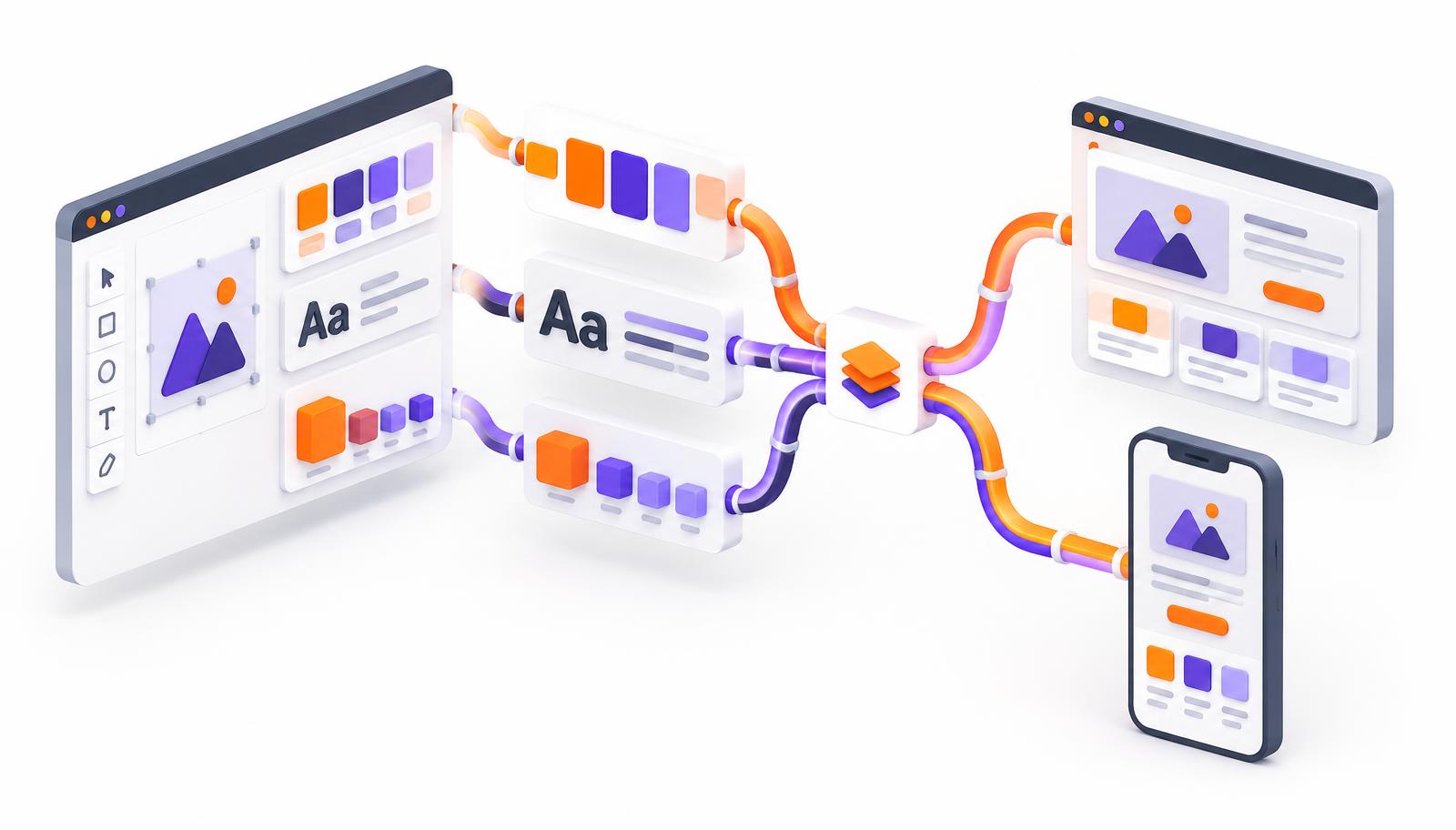 Digital TrendsNovember 13, 20268 min
From Figma token to CMS: how design systems prevent brand inconsistency
What design tokens are, what the stable 2025.10 format changes and how brands carry colours, typography and spacing consistently from design into website, app and campaign.
Read article Digital TrendsSeptember 13, 20266 min
Payload & MCP: From product knowledge to reviewed content
The product knowledge exists, but publishing the next page still takes many manual steps. A practical example shows how a CMS, AI and editors can work together.
Read article
Bekomme solche Insights jede Woche.
Strategische Marketing-Insights für CMOs — kein Fluff, kein Spam.