
AI Lead Scoring
AI Lead Scoring explained
The term does not describe one uniform technology. HubSpot, for example, offers AI suggestions for criteria and points that are reviewed before activation. Salesforce Einstein uses patterns in previous conversions. Ask specifically: does AI support rule creation or predict an event? Does that event mean a qualification stage, a lead or an actual purchase?
A learning model needs suitable outcome data and information available at the time of scoring. Contract details entered later must not retrospectively create an apparently strong early prediction. Evaluate the model on separate, previously unused cases. When markets change, comparison across successive periods is also useful.
Past sales also reflect past sales-team decisions. If certain companies received more attention, the model may reproduce that selection. Examine different groups, incorrect assessments and overlooked contacts. An explanation of which features affect a score does not establish causation. Missing information and uncertain matches must remain visible.
Creative Engineering connects business criteria with technology that can be evaluated. A simple comparison process shows whether the model provides more useful priorities at the same handling capacity. Include data maintenance, review and corrections in the costs. AI can support decision preparation. We take responsibility for the concept and quality.
Examples
Hypothetical application
A software provider wants to prioritise enquiries for an introductory conversation. It compares a simple rule with a model on later, separately assessed enquiries. The target is a confirmed suitable use case, not merely an opened email. Sales can explain and correct unsuitable recommendations.
Key Points
- Clarify the type of AI and the target being evaluated.
- Evaluate past outcomes without information from the future.
- Assess value over a simple method, including review effort.
Practical application
Define the target event and observation period. Compare suggestions with a simple baseline and examine incorrect decisions. Decide when people intervene and how changes are evaluated before further use.
Useful measures
Prioritisation quality
Compare suitable contacts at comparable handling capacity.
Incorrect decisions over time
Review wrong priorities and overlooked contacts across time and relevant groups.
Total handling effort
Include data preparation, review and corrections alongside model use.
Common mistakes
- Describing every AI tool as a self-learning sales prediction.
- Using later outcomes as inputs supposedly available earlier.
- Presenting a ranking as a percentage probability without evaluating calibration.
Sources and context
- HubSpot: Build contact lead scores with AI
AI-assisted suggestions for criteria and points, reviewed before activation.
- Salesforce: Einstein Lead Scoring
A product example of scoring based on previous lead conversions.
- scikit-learn: Common pitfalls
Why training and test data must remain separate and future information distorts results.
- scikit-learn: Probability calibration
Distinction between ranking and reliable probability estimates.
Frequently Asked Questions about AI Lead Scoring
No. Data quality, target definition and the comparison method matter. Without reliable outcomes, a simple approach may be more useful and easier to maintain.
That depends on the product and configuration. New scores, updated rules and retraining a model are different processes.
A score does not create permission to contact someone. Check purpose and the permitted contact route independently of business prioritisation.
Loading related terms…
All TermsArticles about AI Lead Scoring

AI with Brand DNA: Why Generic Bots Are a Brand Risk
Off-the-shelf AI assistants can dilute your brand. Learn how strategic calibration, guardrails, and red-teaming can transform a generic bot into a powerful, on-brand ambassador that positively impacts business outcomes.
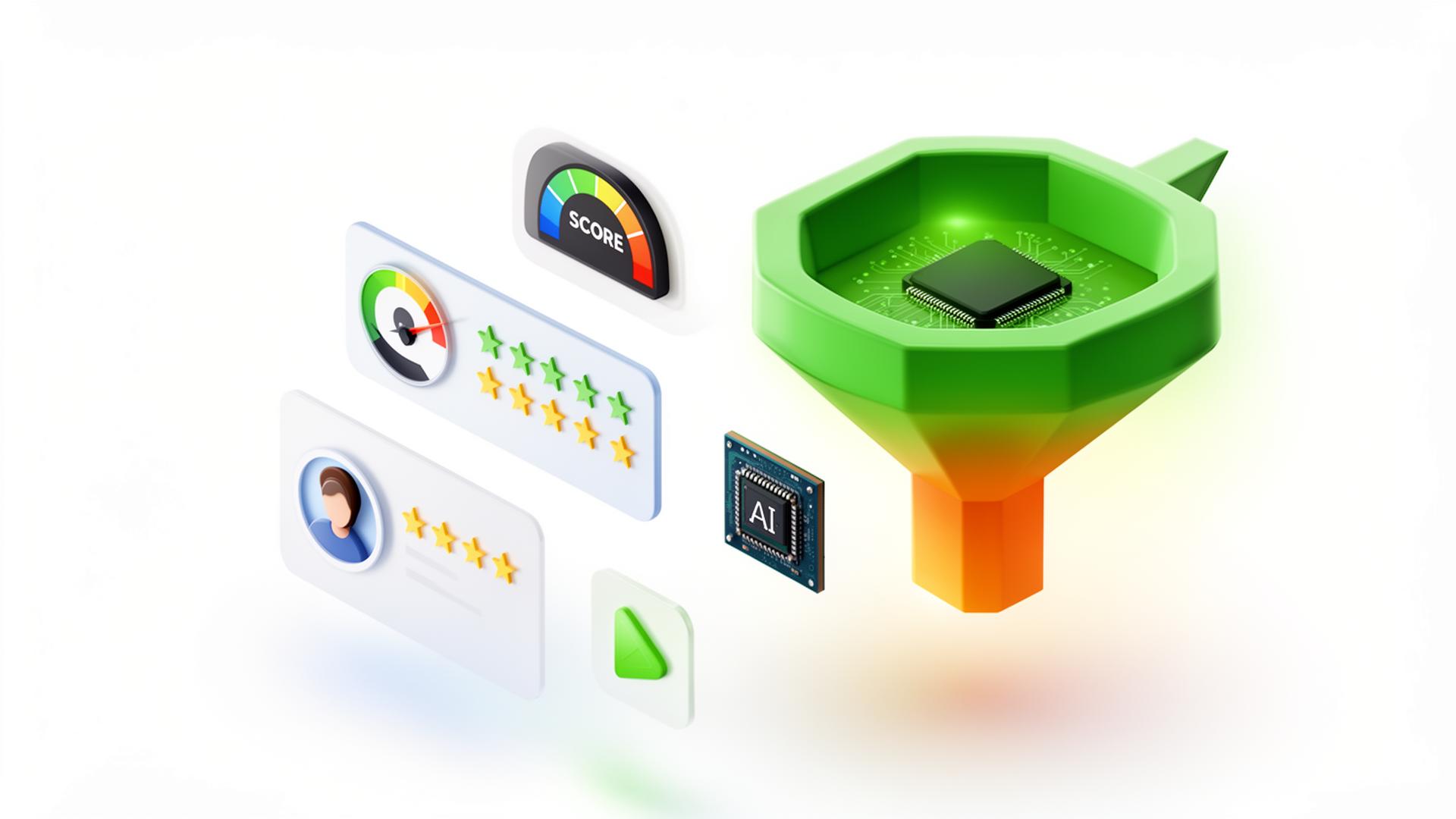
AI Lead Scoring: How Machine Learning Transforms Your Sales
Traditional lead scoring is dead. Learn how AI-powered scoring with firmographics, behavioral data, and intent signals triples conversion rates and shows your sales team where effort truly pays off.

Grok Bot Skills: How to Truly Scale AI in Your Marketing
Reusable task instructions help teams organise AI work consistently. Learn how to connect briefs, data, quality checks and version control, and measure the benefits in your own workflow.